


Winter is well underway, but it's never not a good time to assess your building's cold weather readiness, and to make any needed adustments or repairs to keep things running smoothly (and warmly!) between now and the spring thaw. If your building is on the older side, smart, proactive winterization is even more important. Here are 10 tips for doing just that.
1. Know Your Heating System Like Family
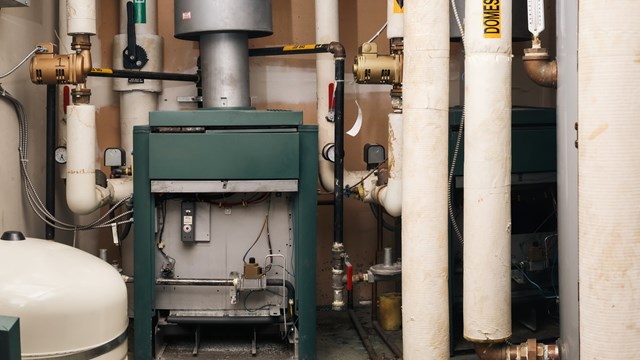
Steam and hot-water systems are old souls. Make sure boilers are serviced early, controls are calibrated, and safety valves actually work. If the boiler coughs, listen — it’s trying to tell you something.
2. Bleed Radiators (Yes, Every One)
Air in the system equals cold apartments and angry phone calls. Bleed radiators before the first deep freeze, not after complaints roll in like snowdrifts.
3. Inspect Steam Traps & Valves
Failed steam traps waste fuel and underheat apartments. In prewar buildings, assume some have quietly retired without notice. Test and replace as needed — your fuel bill will thank you.
4. Seal the Building Envelope (Drafts Are the Enemy)
Check windows, roof bulkheads, basement doors, and old masonry joints. Weather-strip, caulk, and repair where needed. Heat loss in prewar buildings isn’t subtle — it escapes with enthusiasm.
5. Protect Exposed Pipes (Especially in Basements & Risers)
Any pipe near an exterior wall, crawlspace, or unheated area needs insulation. One frozen pipe can turn a quiet night into a 3 a.m. disaster movie.
6. Test Heat Sensors & Thermostats
Older buildings often rely on outdoor sensors or antiquated controls. Make sure they’re reading correctly. One bad sensor can overheat half the building while freezing the rest.
7. Clean Gutters, Leaders & Roof Drains
Ice dams aren’t just annoying — they’re destructive. Clear drainage paths before winter so melting snow has somewhere to go besides inside your walls.
8. Check Fire Protection Systems
Sprinkler lines in garages, vestibules, and loading areas are vulnerable. Confirm heat coverage and inspect antifreeze levels where applicable. Frozen sprinkler pipes are a special kind of nightmare.
9. Educate Residents (Briefly, Kindly, Firmly)
Remind residents not to block radiators, to report cold spots early, and to let faucets drip during extreme cold if advised. Prevention beats emergency access every time.
10. Walk the Building During Cold Snaps
Nothing replaces boots on the ground. During the first real cold stretch, walk basements, top floors, stairwells, and perimeter units. Older buildings reveal problems quickly — if you’re paying attention.
Tahchee Rodriguez is a resident manager and Vice President of the Metropolitan Building Managers of New York.


Leave a Comment